What is an F1 hybrid?
F1 is the first-generation cross of two selected parent lines. The benefit is uniformity — fruit size, maturity date and disease tolerance are consistent across the crop, which makes harvest and delivery planning far more predictable.
Important: do not save seed from F1 fruit for replanting. The next generation (F2) segregates, and size and quality become uneven.
Brix — the sweetness measure
Brix measures total soluble solids, mostly sugars, using a refractometer. Higher means sweeter.
- Watermelon generally needs roughly 11–13 Brix for the fresh market
- Export-grade melon and cantaloupe usually need 13 Brix or above
The figure on the packet is the variety's potential. Whether you reach it depends on soil, water, fertiliser and controlled irrigation before harvest.
DAS vs DAT
These two are the most commonly confused, and getting them wrong can shift your schedule by weeks.
- DAS (Days After Sowing) — counted from the day seed goes in
- DAT (Days After Transplanting) — counted from the day seedlings go to the field
From our own packets: Thong Thai TT 222 watermelon states 55–58 days after sowing, while Thai Mai TT 089 chilli states 70–80 days after transplanting. Add roughly 25–30 days of nursery time to the chilli and the real total from sowing is considerably longer.
Fruit size — match it to your buyer
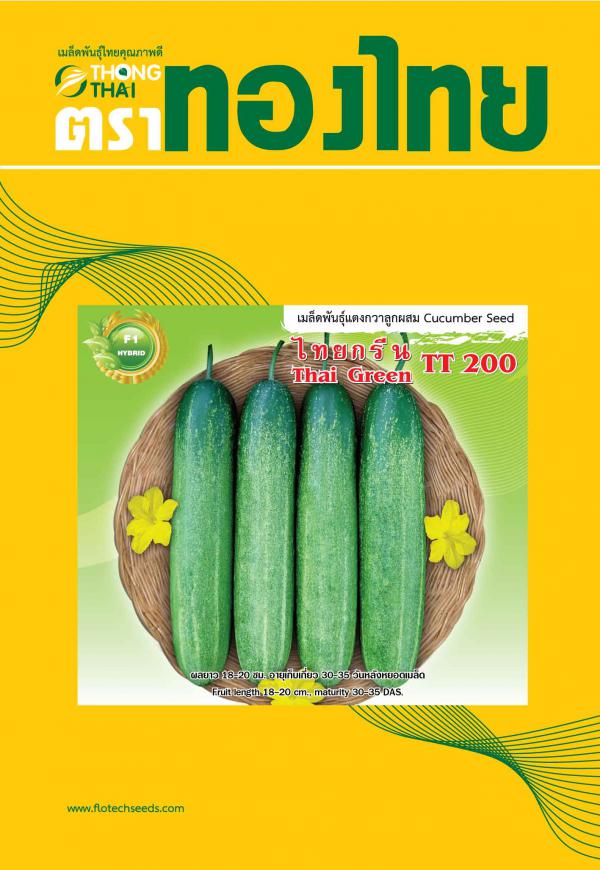
Size guides variety choice. Large 6–8 kg watermelons suit wholesale and cut-fruit sales; 3–5 kg fruit moves more easily at retail and to smaller households. The same applies to cucumber: 20–22 cm and 15–18 cm fruit serve different buyers.
Summary
Before ordering, always check four things: whether it is F1, the Brix figure, whether maturity is counted as DAS or DAT, and fruit size — then compare them against your planting window and your actual market.